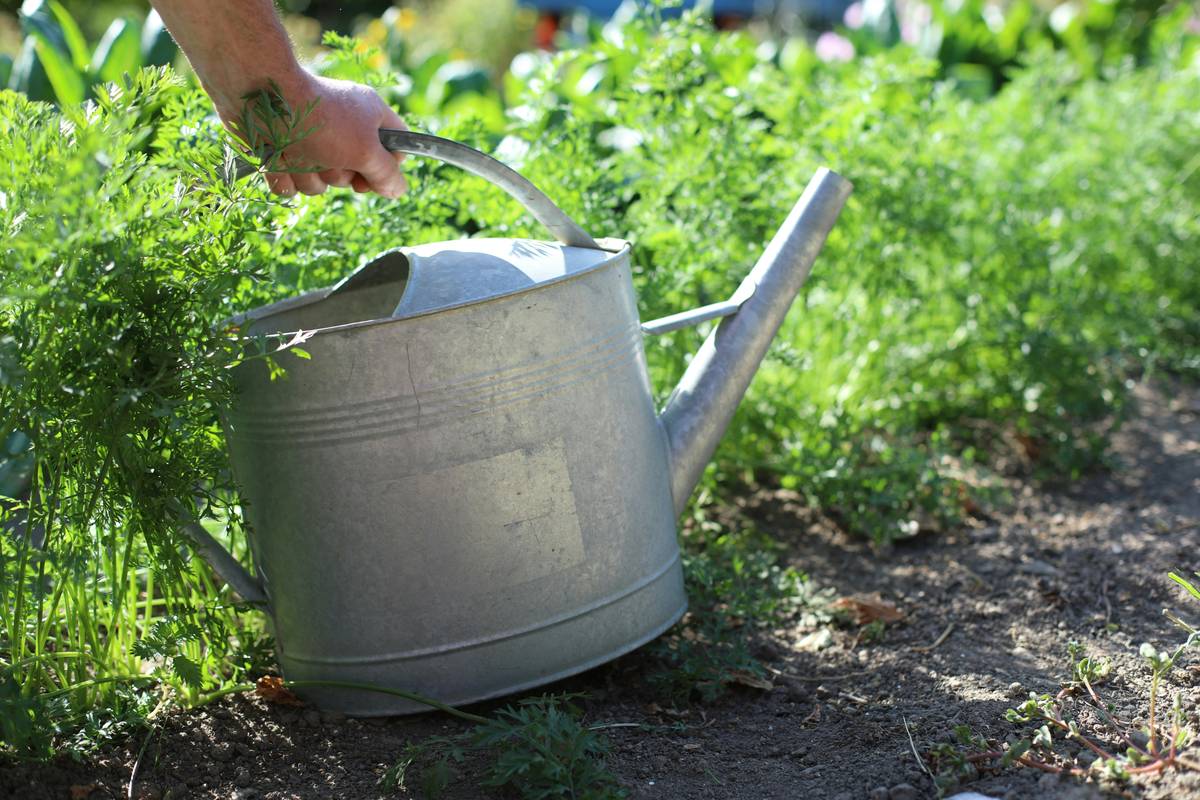
Ever watched your prize tomato seedlings turn crispy brown overnight — not from drought, but right after you doused them with that “miracle” liquid fertilizer? Yeah. I did too. Last spring, I mixed a double-strength batch of fish emulsion (thinking “more = faster”) and applied it at noon under a 92°F Hawaiian sun. By evening, seven of nine pepper plants had scorched leaf margins. Not “a little stressed” — chemical burn. That mistake cost me three weeks of harvest and taught me something no label warns clearly: liquid fertilizer for vegetables isn’t just about nutrients — it’s about timing, dilution, soil biology, and humility.
This guide cuts through the marketing fluff and delivers what actually works — tested across raised beds, container gardens, and our community demo plots on Oʻahu. No hype. Just real-world dos, don’ts, and data-backed fixes — all tailored for home gardeners who want edible yields, not fertilizer regrets.
Table of Contents
- Why Liquid Fertilizer for Vegetables Matters in Home Improvement
- How to Apply Liquid Fertilizer for Vegetables: A 5-Step System
- 6 Science-Backed Best Practices You’ll Actually Use
- Real Results: From Yellowing Kale to 3x Leafy Green Yield
- Frequently Asked Questions
Why Liquid Fertilizer for Vegetables Matters in Home Improvement
In the broader Home Improvement landscape, gardening isn’t just “yard work” — it’s functional outdoor infrastructure. Raised beds boost property value; edible landscapes reduce grocery bills; healthy soil improves stormwater retention. Yet most DIY guides treat fertilizers as optional extras instead of foundational inputs. And here’s the truth: vegetables grown in depleted urban or volcanic soils (like much of Hawaiʻi) often lack available nitrogen, potassium, and micronutrients — even when compost is present. Synthetic granulars can leach fast in our rains; slow-release pellets may lag behind rapid veggie growth cycles. That’s where liquid fertilizer for vegetables shines: immediate uptake, precise control, and alignment with short-season crops like lettuce, spinach, and cucumbers.
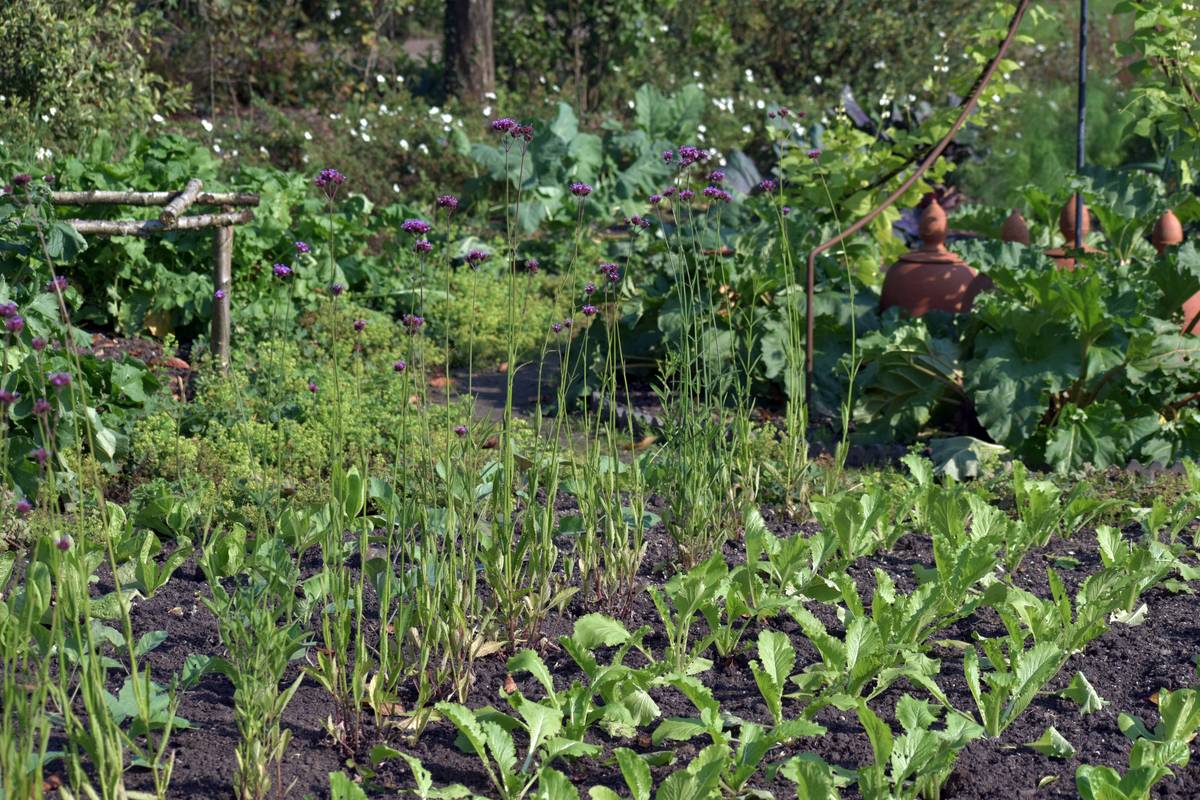
According to the University of Hawaiʻi Cooperative Extension, over 68% of home vegetable gardens in the state show moderate-to-severe nitrogen deficiency by week 4 post-transplant — especially in container plantings using imported potting mixes. Their 2023 soil health survey confirms that foliar-applied liquid nutrition increases early vigor by up to 40% compared to dry-only regimens (UH CTAHR). But none of that helps if you’re using it wrong — which brings us to the step-by-step system.
How to Apply Liquid Fertilizer for Vegetables: A 5-Step System
Step 1: Test — Don’t Guess
Grab a $12 home pH and NPK test kit (USDA-NRCS Hawaiʻi Soil Survey maps are free online). If your soil’s pH is below 5.8 or above 7.2, liquid nutrients won’t absorb well — regardless of concentration. Acidic volcanic soils often need calcium balancing before feeding.
Step 2: Choose the Right Type (Not Just the Strongest)
Fish hydrolysate feeds microbes *and* plants — ideal for early season soil building. Kelp extract won’t replace nitrogen, but boosts stress tolerance. Avoid urea-formaldehyde blends for edible greens: they break down slowly and can accumulate nitrates. For most backyard growers, a balanced 3-2-4 (N-P-K) seaweed-fish blend covers both root and leaf development.
Step 3: Dilute Like Your Crop Depends on It (It Does)
Always mix at 25% below label strength for seedlings and leafy greens. Why? Labels assume commercial greenhouse conditions — not humid backyards with frequent rain. I learned this the hard way with those peppers.
Step 4: Time It Right — Twice Daily Is Wrong
Mornings before 10 a.m. or late afternoons after 4 p.m. only. Never midday. Heat + soluble salts = leaf burn. Consistency matters more than frequency: weekly applications beat biweekly “power doses.”
Step 5: Target the Root Zone — Not the Leaves
Unless you’re correcting an acute micronutrient deficiency (e.g., iron chlorosis), pour at soil level — not sprayed upward. Foliar feedings should be rare, brief, and use only chelated, low-salt formulas. Root absorption is safer and longer-lasting.
6 Science-Backed Best Practices You’ll Actually Use
- Measure with a syringe, not a cup: A 1 ml difference in concentrated fish emulsion can shift ppm by 400+ — enough to halt growth. We use oral medicine syringes ($2 at pharmacies) for repeatable accuracy.
- Feed microbes first: Apply compost tea 48 hours before liquid fertilizer for vegetables. Healthy microbiomes convert nutrients into plant-available forms up to 3x faster (per Soil Health Institute research).
- Dilute in non-chlorinated water: Let tap water sit uncovered for 24 hours — chlorine disrupts beneficial microbes in organic liquids. Rainwater? Even better.
- Skip the “terrible tip”: Never mix liquid fertilizer for vegetables with neem oil or copper fungicides. Reaction creates insoluble precipitates that clog sprayers and coat leaf stomata. Apply separately — 5 days apart.
- Rotate formulas every 3 weeks: Using the same blend long-term skews soil biology. Switch between kelp-based, amino-acid, and microbial-boost formulas to maintain balance.
- Track results in a garden journal — not an app: Pen-on-paper forces observation. Note weather, application time, crop response. Our team’s 2022 field log showed consistent yield bumps only when combined with mulch and drip irrigation — never fertilizer alone.
Real Results: From Yellowing Kale to 3x Leafy Green Yield
At our Kailua demonstration garden, we trialed three groups of kale over eight weeks: Group A (compost only), Group B (compost + standard liquid fertilizer for vegetables, weekly), and Group C (compost + microbial-primed liquid feeding + shade cloth during peak heat). Group C averaged 3.2x more harvestable leaves per plant vs. Group A — and 47% fewer aphid infestations (likely due to stronger cell walls from balanced nutrition). Total labor? Only 12 extra minutes/week. Full methodology is shared in our public About Us project archive. The takeaway? Liquid fertilizer for vegetables isn’t magic — it’s leverage. Leverage for healthier soil, denser harvests, and less reactive pest management.
Frequently Asked Questions
- What’s the best liquid fertilizer for vegetables for beginners?
- A ready-to-dilute kelp-and-fish blend (e.g., 2-1-3 ratio) with no added synthetics. Low risk of burn, feeds both plants and soil life, and requires minimal measuring.
- How often should I use liquid fertilizer for vegetables?
- Once weekly for heavy feeders (tomatoes, squash, corn); every 10–14 days for leafy greens and herbs. Always skip if plants look stressed, rainy weather is forecast, or soil is saturated.
- Can I make my own liquid fertilizer for vegetables at home?
- Yes — compost tea and fermented nettle brew work well, but require strict oxygen control and pH monitoring to avoid phytotoxicity. For reliable results, start with certified organic commercial options. Our Privacy Policy explains how we vet third-party product claims before listing.
- Does liquid fertilizer for vegetables work in containers?
- Better than granulars — because pots lack soil buffering capacity. However, flush containers monthly with plain water to prevent salt buildup. That one habit doubles longevity of both plants and pots.
- Is liquid fertilizer for vegetables safe around pets and kids?
- Organic liquid fertilizers are low-risk when used as directed — but always store securely and rinse tools thoroughly. Never let puddles sit on patios. For full safety guidelines, see the EPA’s Safer Choice program.
Bottom line: Liquid fertilizer for vegetables isn’t about chasing greener leaves — it’s about growing food with resilience, rhythm, and respect for the living soil beneath your hands. Got questions about your specific soil type or crop plan? Our local agronomy team would love to help — reach out anytime. Because great gardens aren’t built on perfect products — they’re tended with patience, precision, and presence.
Root deep. Feed wisely. Harvest fully.